Yarn Addict Badge Sticker Design
As a designer who spends more time staring at digitized files than sleeping, I have learned to trust my gut when evaluating a new embroidery design. It is not just about whether the machine can stitch it; it is about whether the finished product feels intentional, professional, and desirable to the end user. When Yarn Addict Badge Sticker Design landed in my review queue, I was immediately drawn to its specific niche appeal. This is not a generic floral motif or a standard logo placeholder. It is a bold, personality-driven graphic that speaks directly to a passionate community. For those of us creating custom apparel, handmade gifts, or boutique merchandise, understanding the practical application of such a design is crucial before committing to production.
The First Impression: Boldness Meets Niche Appeal
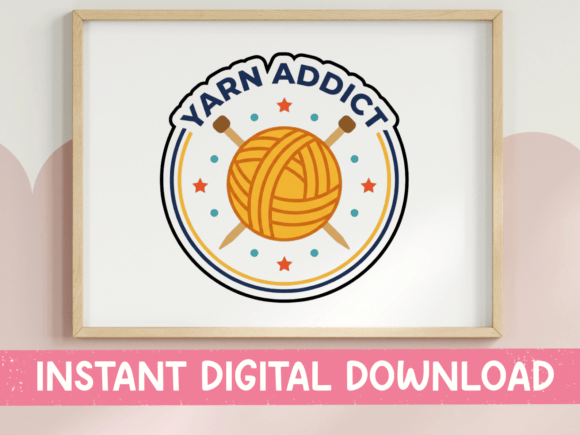
The moment you look at the file structure and preview, the visual hierarchy is clear. The concept relies on a circular badge format, which is a timeless choice for embroidery because it frames the subject matter neatly and works well within standard hoop limitations. At the center sits a golden orange yarn ball with crossed teal knitting needles. This color combination is striking. Golden orange provides warmth and energy, while the teal adds a cool, contrasting anchor that prevents the design from feeling too monochromatic. In the world of T-Shirt Designs and Graphics, this kind of deliberate color pairing suggests a high level of thought in the original illustration.
For an embroiderer, the "badge" style implies a certain level of density and structure. It feels like something that belongs on a chest pocket, a tote bag corner, or as a standalone patch. The mood it creates is one of pride and obsession—exactly what knitters and crocheters feel when they talk about their craft. It transforms a hobby into an identity. When I evaluate designs for real project use, I look for that emotional connection. This design does not just say "I knit"; it says "I am part of this tribe." That distinction is vital for selling finished products to enthusiasts.
Real-World Application: Where This Design Shines
I recently imagined using this design for a custom embroidered tote bag intended for a local fiber arts fair. The circular badge shape fits perfectly on the side panel of a canvas tote, creating a balanced asymmetry. Because the design features a central focal point (the yarn ball) surrounded by a frame, it scales well. Whether you are working on a large 6x10 inch hoop or a smaller 4x4 inch hoop, the composition remains readable. This versatility makes it an excellent candidate for Etsy seller inventory, where variety in product types is key.
Beyond totes, this design is practically begging to be placed on sweatshirts and hoodies. The "sticker" aesthetic of the badge lends itself to a casual, streetwear-inspired look when stitched onto heavy cotton blends. Imagine a dark heather gray sweatshirt with this golden-orange and teal badge centered on the left chest. It pops without overwhelming the garment. Similarly, for baby embroidery, placing a scaled-down version on a muslin bib or a onesie sleeve creates a sweet, personalized gift that parents will appreciate. The theme is gentle enough for nursery decor but bold enough for adult wear.
I also see strong potential in kitchen textiles. A tea towel or apron featuring this badge adds a touch of whimsy to the home. Since knitters often spend hours in the kitchen or crafting nook, having their tools of trade represented on their linens feels cohesive. For holiday embroidery, this design could serve as a unique alternative to traditional Christmas motifs, appealing specifically to the recipient’s hobby rather than just the season.
Technical Considerations and Stitch Performance
While the visual appeal is high, any experienced designer knows that aesthetics mean nothing if the stitching fails. When evaluating Yarn Addict Badge Sticker Design, we must consider how the different elements translate to thread. The yarn ball likely requires fill stitches to create volume and texture. If the digitizer has used proper underlay and varied the direction of the fill stitches, the yarn ball will have a realistic, rounded appearance. However, if the stitch density is too high, the fabric may pucker. Conversely, if it is too low, the design may look sparse and cheap.
The crossed needles present a different challenge. These lines need crisp edges, likely achieved through satin stitches or precise running stitches. On textured fabrics, such as fleece or bouclé, these fine details might get lost. Therefore, I advise testing this design on smooth, stable fabrics first. Cotton, denim, and canvas are ideal partners for this machine embroidery design. They provide the necessary stability for the dense areas and allow the colors to shine without interference from the fabric weave.
Another critical factor is the background fabric color. The description highlights golden orange and teal. On white or light neutral backgrounds, these colors will appear vibrant and true to the digital mockup. However, on dark fabrics, the contrast shifts dramatically. You may need to adjust your thread palette or add a light-colored backing stabilizer to prevent show-through. Always test the design in black and white mockups to ensure the shapes remain distinct regardless of color saturation.
Where to Use With Caution
Not every surface is suitable for this badge design. I would avoid using it on highly stretchy knits without proper stabilization, as the tension from the fill stitches could distort the garment over time. Small hoop sizes, particularly those under 4 inches, might cut off parts of the circular frame, disrupting the badge illusion. Additionally, curved surfaces like caps can be tricky. While the circular shape adapts well to curvature, the text or outer ring details might become illegible if the curve is too sharp. Finally, for products that require frequent washing, such as dish towels or work aprons, ensure the design uses durable stitch patterns that resist fraying and fading.
Impact on Brand and Customer Trust
For small business owners and craft business operators, the quality of your embroidery directly impacts customer trust. A poorly executed design can make even the best idea look amateurish. Yarn Addict Badge Sticker Design, when stitched correctly, elevates the perceived value of the finished product. It signals attention to detail. Customers who buy handmade goods are often looking for uniqueness and care. A clean, well-defined badge suggests that the maker took pride in the creation process.
This design also enhances brand consistency. If you run a shop focused on fiber arts, using thematic designs like this one reinforces your niche. It helps your printable mockup previews stand out in crowded marketplaces. Buyers scroll quickly; a bold, recognizable symbol like a yarn ball badge catches the eye faster than abstract patterns. It communicates the product’s purpose instantly, reducing friction in the buying decision.
Practical Designer Notes Before You Stitch
Before adding this design to your production workflow, follow these essential steps:
- Test on Scrap Fabric: Never commit to a final garment without a test run. Check for puckering, thread breaks, and alignment issues.
- Review Stitch Density: Ensure the fill stitches are not too dense for your chosen fabric weight. Too much thread can cause bulkiness.
- Check Hoop Size: Confirm that your machine’s hoop can accommodate the full diameter of the badge without cropping important elements.
- Inspect Small Details: Zoom in on the digital file. Are the needle crossings distinct? Will they stitch cleanly?
- Confirm Licensing: If you plan to sell finished items, verify the commercial use rights of the digital embroidery file. Some licenses restrict the number of units you can produce.
- Stabilizer Selection: Use a stabilizer appropriate for your fabric. Cut-away stabilizers are generally safer for garments to maintain longevity, while tear-away may suffice for temporary projects like holiday gifts.
In conclusion, Yarn Addict Badge Sticker Design is a strong addition to any embroiderer’s library. It combines visual clarity with emotional resonance, making it suitable for a wide range of embroidery project types. From tote bag design opportunities to personalized gifts for fellow makers, this design offers both aesthetic charm and practical versatility. By paying attention to fabric choice, stitch quality, and licensing, you can turn this digital asset into a tangible success story for your creative enterprise.