Shuck Yeah Oyster Sticker Embroidery Review
As someone who has spent years testing embroidery files for everything from boutique apparel to personalized gifts, I approach every new design with a mix of excitement and skepticism. We have all seen designs that look stunning on a screen but fall apart under the needle. Today, I am evaluating Shuck Yeah Oyster Sticker, a graphic intended for T-Shirt Designs and Graphics categories. My goal is to determine if this file holds up in real-world application for crafters, Etsy sellers, and professional decorators.
First Impressions: Visual Personality and Mood
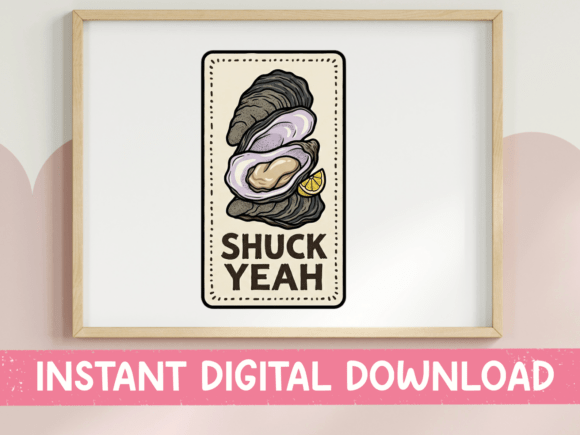
The moment you load the file into your digitizing software or view the preview, the personality of Shuck Yeah Oyster Sticker comes through clearly. It is bold, playful, and distinctly coastal. The description highlights a stack of grey-blue oyster shells with lavender-pink inner flesh, which suggests a color palette that is both modern and slightly retro. This is not a delicate, lace-like floral; it is a statement piece.
For designers looking to add character to handmade products, this design offers immediate visual interest. The "sticker" aesthetic implies a clean, contained shape, which is often easier to stitch cleanly than sprawling, open-ended graphics. The contrast between the cool grey-blue exterior and the warm lavender-pink interior provides a natural focal point that draws the eye. It feels like a design meant to be worn with pride by oyster lovers, coastal diners, and anyone who takes their shellfish seriously. It sets a fun, relaxed tone that works well for summer collections or beach-themed merchandise.
Real-World Application: Where Does It Fit?
Let’s talk about where this design actually lives in a product line. I recently considered using a similar coastal graphic on a custom embroidered tote bag for a local seafood festival vendor. Shuck Yeah Oyster Sticker would fit perfectly there. The sturdy canvas of a tote bag can handle the weight of the fill stitches required for the shells without puckering, provided the correct stabilizer is used.
Beyond totes, this design shines on sweatshirt embroidery. Imagine this graphic centered on a heather grey or navy sweatshirt. The bold colors will pop against darker backgrounds, creating a high-contrast look that appeals to customers seeking comfortable yet stylish custom apparel. It also translates well to baby embroidery items, such as bibs or onesies, where the soft pastel tones of the lavender-pink flesh offer a gentler touch while maintaining the fun theme.
For small business owners and Etsy sellers, versatility is key. This graphic can serve as the centerpiece for holiday embroidery projects during summer vacation seasons or as part of a broader "coastal living" collection. It is equally effective as an embroidered patch sewn onto denim jackets or caps, adding a personalized touch to classic garments. The design’s compact nature makes it ideal for aprons and kitchen towels, appealing to home cooks who appreciate seafood-centric humor and aesthetics.
Product Value and Customer Engagement
From a branding perspective, Shuck Yeah Oyster Sticker enhances perceived value. A well-executed embroidery project signals quality and attention to detail. When customers see a crisp, colorful design like this on a finished product, it builds trust in the maker’s skill. It moves beyond generic print-on-demand items and enters the realm of premium handmade goods. For digital product sellers, including this in a bundle of design assets can attract buyers looking for niche, thematic content that stands out in crowded marketplaces.
Technical Considerations and Stitch Performance
While the visual appeal is strong, we must discuss the technical execution. The success of any machine embroidery design depends heavily on stitch density, thread colors, and fabric choice. Because Shuck Yeah Oyster Sticker features stacked shells, it likely utilizes a combination of satin stitch for outlines and fill stitch for the body of the shells.
Stitch Density: If the fill stitch is too dense, the fabric may pucker, especially on lightweight materials. Conversely, if it is too sparse, the backing material might show through, ruining the clean "sticker" look. Designers should inspect the stitch density in their software before stitching. If the design appears overly packed, consider reducing the density slightly or ensuring a high-quality cut-away stabilizer is used to support the fabric.
Thread Colors: The grey-blue and lavender-pink combination requires careful thread selection. Not all grey threads are created equal; some may appear too brown or too green depending on the lighting. Test your thread choices against the fabric background. On light fabrics, the grey-blue might blend in too much, losing definition. On dark fabrics, ensure the lavender-pink has enough brightness to stand out. Using proper thread colors is essential for maintaining the design’s intended mood.
Fabric Texture: This design performs best on smooth, stable fabrics like cotton twill, polyester blends, or canvas. Avoid highly textured fabrics like heavy bouclé or loose-weave linen, as the needle may struggle to penetrate consistently, leading to skipped stitches. Thin or stretchy fabrics, such as jersey knits, require extra caution. Always use a tear-away or wash-away stabilizer for these materials to prevent distortion during stitching.
Where to Use Carefully
There are specific scenarios where Shuck Yeah Oyster Sticker might not perform optimally. Small hoop sizes can be problematic if the design includes intricate details that get lost when scaled down. If you attempt to embroider this on a tiny accessory, such as a keychain or a small baby tag, the fine lines of the shell edges may merge together, resulting in a muddy appearance.
Curved surfaces, like the front panel of a baseball cap, present another challenge. While the design is relatively flat, stitching on a curved surface can cause the top layer of fabric to distort if not hooped correctly. Ensure you use a cap pole attachment and stretch the fabric tautly to maintain clarity. Additionally, avoid placing this design on areas of garments that undergo frequent washing and abrasion, such as the cuffs of sleeves, unless you are confident in the durability of the stitch type used.
Practical Designer Notes
Before committing to a production run, I strongly advise the following steps:
- Test on Scrap Fabric: Always stitch a test version on the actual fabric you plan to use. This reveals issues with tension, stabilizer choice, and color contrast that are invisible on screen.
- Check Hoop Size: Confirm that the design fits comfortably within your standard hoop sizes. If the design is large, ensure you have the equipment to handle it without resizing, which can alter the aspect ratio.
- Inspect Small Details: Zoom in on the digital file. Are the corners of the shells sharp? Is the text legible? If the design relies on tiny running stitch accents, verify that they are thick enough to survive the embroidery process.
- Black and White Mockup: Convert the design to black and white to check contrast. If the elements blend together without color, the design may lack sufficient structural contrast.
- Review Licensing: As with any commercial embroidery file, confirm the licensing terms. Ensure you are permitted to sell finished products made from this design. Some files are for personal use only, while others allow commercial sales with attribution.
Final Verdict
Shuck Yeah Oyster Sticker is a solid addition to any designer’s library of graphics. It captures a specific niche with charm and clarity. When executed properly on the right fabric, it creates a finished product that feels professional, fun, and desirable. For those willing to pay attention to stitch density and stabilizer usage, this design delivers a high-quality result that resonates with coastal enthusiasts and fashion-forward crafters alike. It is a versatile tool for expanding your handmade product range, whether you are selling at craft fairs or managing an online boutique.