Progress Not Perfection Plant Sticker Review
As a designer who spends more time than I care to admit staring at stitch charts and testing thread tensions, I approach every new machine embroidery design with a mix of skepticism and hope. We are all looking for that sweet spot where artistic intent meets technical feasibility. Today, I am putting the Progress Not Perfection Plant Sticker under the microscope. This piece falls under the broader umbrella of T-Shirt Designs and Graphics, but its true value lies in its emotional resonance and practical application for makers.
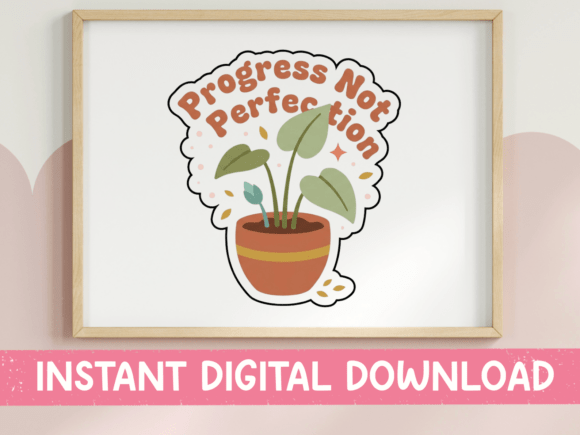
The concept is simple yet powerful: a small green potted plant with rounded leaves sitting in a terracotta pot. It is warm, earthy, and speaks directly to plant parents and anyone navigating the messy, beautiful journey of self-improvement. But does it translate well from screen to fabric? Let’s dive into the details.
First Impressions and Visual Personality
When you first load this embroidery file into your digitizing software, the layout feels balanced. The rounded leaves of the plant provide a soft, organic shape that contrasts nicely with the structured, slightly angular base of the terracotta pot. This contrast is crucial for embroidery because it allows for varied stitch types without the design feeling monotonous.
The mood is undeniably cozy. In a market saturated with aggressive typography and loud graphics, this design offers a quiet confidence. It creates a sense of calm and grounding. For an Etsy seller or small shop product owner, this translates to high perceived value. Customers are drawn to designs that feel personal and thoughtful. This sticker isn’t just a decoration; it’s a statement about patience and growth. That narrative adds depth to the finished product, making it more than just a stitched image on fabric.
Real-World Application: The Custom Tote Bag Scenario
To truly judge a design, you have to imagine it in use. Let’s say I am preparing a custom order for a client who runs a boutique wellness studio. They want embroidered tote bags for their customers—a staple item for carrying yoga mats, journals, or groceries. The Progress Not Perfection Plant Sticker is an ideal candidate for this.
Placing this design on a canvas tote bag immediately elevates the item. The earthy tones of the terracotta and green leaves complement natural fabrics like cotton, linen, or jute. Unlike a complex photographic print, which can look muddy when embroidered, this graphic style remains crisp. The rounded leaves can be filled with a gentle satin stitch or a light fill stitch, while the pot might benefit from a slightly denser texture to give it weight and presence. When the customer picks up that bag, they aren’t just carrying groceries; they are carrying a reminder of their own journey. That emotional connection drives word-of-mouth marketing and repeat business.
This same logic applies to other items. Imagine this design on a baby onesie for a new parent. The message of "progress not perfection" is incredibly relevant to sleep-deprived moms and dads. On a sweatshirt, it becomes a comfortable, everyday affirmation. On a kitchen towel, it adds a touch of whimsy to meal prep. The versatility of this embroidery project is one of its strongest assets.
Technical Considerations and Stitch Quality
From a technical standpoint, the design seems well-suited for standard home and commercial machines. However, there are nuances to consider regarding stitch density and detail level.
- Stitch Density: The leaves appear to have moderate detail. If the digitizer has used too dense a fill, the fabric might pucker, especially on lightweight materials. Conversely, if it is too sparse, the stabilizer might show through. Always check the stitch density in your software preview.
- Satin Stitch vs. Fill Stitch: The outline of the pot likely uses a satin stitch. Ensure the underlay is sufficient to hold the edges flat. The leaves may use a combination of satin and fill stitches to create volume. A good digital embroidery file will balance these to avoid bulkiness.
- Thread Colors: The success of this design hinges on color choice. You need enough contrast between the green leaves and the terracotta pot, as well as between the design and the background fabric. If you are stitching this on a dark-colored hoodie, you will need white or light-colored backing or a contrasting thread palette. Testing thread colors on scrap fabric is non-negotiable.
Where to Be Cautious
While this design is versatile, it is not a one-size-fits-all solution. There are specific scenarios where caution is advised:
- Small Hoop Sizes: If you are trying to fit this design into a very small hoop (like 4x4 inches), pay close attention to the fine details. Tiny leaves or thin lines might merge together during stitching, losing their definition. If clarity is paramount, consider scaling up or choosing a larger hoop.
- Textured or Stretchy Fabrics: Embroidering on ribbed knit caps, thick fleece, or highly textured upholstery can distort the satin stitch outlines. These fabrics require a heavy-duty stabilizer and careful tension adjustment. On stretchy fabrics, the design might shift if not hooped properly, leading to misalignment.
- Dense Stitch Areas: If the design includes dense fill areas, it may become stiff. This is less of an issue for tote bags or pillows but could be uncomfortable for direct-to-skin garments like baby clothes or t-shirts unless a cut-away stabilizer is used and removed effectively.
- Dark Fabric Challenges: As mentioned, contrast is key. On black or navy fabric, the terracotta color might disappear if not chosen carefully. You may need to add a white underlay or choose a brighter thread shade to ensure visibility.
Impact on Brand and Customer Trust
For commercial embroidery businesses, consistency is everything. Using a design like the Progress Not Perfection Plant Sticker signals that you understand current trends and customer sentiments. It shows empathy. When a buyer sees a handmade product that resonates with their personal values, trust increases. They are more likely to leave positive reviews, share photos on social media, and recommend your shop to friends.
Furthermore, this design works exceptionally well for personalized gifts. Whether it’s a graduation gift for a stressed student, a housewarming present for a new homeowner, or a thank-you note for a mentor, the message fits. It transforms a generic handmade product into a meaningful keepsake. This emotional utility is what separates successful craft business owners from hobbyists.
Practical Designer Notes Before You Stitch
Before you commit to a full production run or start listing this on your Etsy listings, follow these practical steps to ensure quality:
- Test on Scrap Fabric: Never assume how a design will look until it is stitched. Use the exact fabric and stabilizer you plan to use for the final product. This reveals issues with puckering, thread breaks, or color clashes early.
- Check Black and White Mockups: Convert your design to grayscale in your digitizing software. This helps you evaluate the contrast and composition without the distraction of color. If the shapes don’t read clearly in black and white, they might struggle in color too.
- Confirm Licensing: If you intend to sell finished items made from this design, double-check the license terms. Some design assets are for personal use only. Commercial licenses allow you to sell the physical products, but rarely allow you to resell the digital file itself. Protect your small business by verifying these rights.
- Inspect Small Details: Zoom in on the leaf veins and pot rim. Are they distinct? Will they survive multiple washes? Durability is part of professionalism. A frayed or blurred design looks cheap, even if the message is beautiful.
- Use Proper Stabilizer: The right stabilizer makes the difference between a professional finish and a wobbly mess. For woven fabrics like cotton totes, tear-away might suffice. For knits like sweatshirts, cut-away is usually safer to prevent distortion over time.
Final Verdict
The Progress Not Perfection Plant Sticker is a thoughtful, well-composed design that bridges the gap between aesthetic appeal and emotional impact. It is particularly strong for tote bag design, sweatshirt embroidery, and apron embroidery projects where comfort and casual style are prioritized. While it requires careful attention to fabric choice and stitch density, its potential to create beloved, gift-worthy items is high.
For designers looking to expand their catalog with items that resonate on a deeper level, this is a solid addition. It reminds us that our craft is not just about perfect stitches, but about creating things that matter. And in that regard, this design hits the mark.