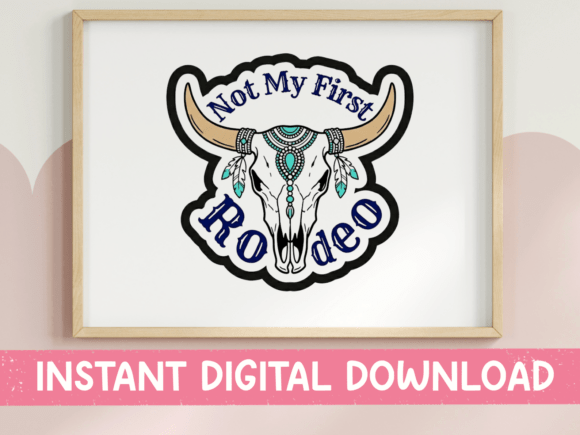
Not My First Rodeo Cowgirl SVG Embroidery Review
When I pull a new digital asset into my hoop, I am not just looking at pixels or vector paths. I am visualizing the needle movement, the tension of the thread, and the final hand-feel of the fabric. As a designer who frequently transitions between screen-based graphics and tangible embroidery projects, I approach every file with a mix of creative enthusiasm and technical skepticism. Today, I am evaluating the Not My First Rodeo Cowgirl SVG, a design that promises bold personality and western flair. This is not merely a decorative image; it is a statement piece intended for custom apparel and boutique merchandise. Below is my practical assessment of how this design performs when translated from a digital concept to a stitched reality.
First Impressions and Visual Personality
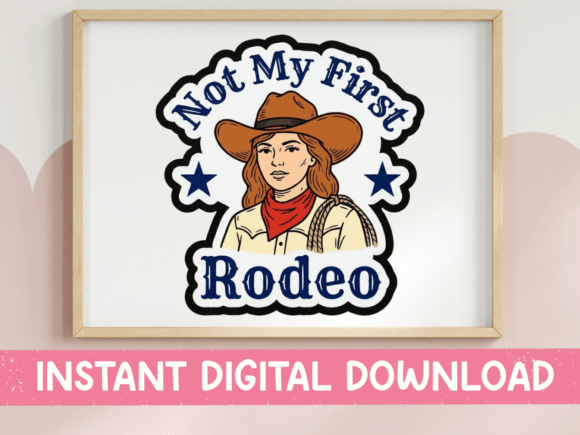
The moment you load the Not My First Rodeo Cowgirl SVG, the mood is immediately established. It is confident, unapologetic, and rooted in classic Americana aesthetics. The central figure—a cowgirl facing forward with a tan cowboy hat and red bandana—creates an immediate focal point. What stands out first is the facial confidence. In embroidery, capturing expression through thread can be tricky, but here, the strong stance and direct gaze translate well into stitch work. The brown hair tucked behind the shoulders adds a layer of softness that balances the ruggedness of the lasso held in her hand.
The typography plays a crucial role in the overall composition. The bold navy arched letters spelling "Not My First" above her head provide a strong structural frame. Arched text in embroidery requires careful attention to stitch direction to prevent puckering, but visually, it draws the eye upward and centers the character effectively. The phrase itself suggests experience and resilience, making this design particularly appealing for clients who want their clothing to reflect strength and independence. It feels less like a novelty item and more like a badge of honor, which elevates its potential value in a handmade product line.
Real-World Application: Where This Design Shines
In my experience testing various T-Shirt Designs and Graphics for actual production, some designs look great on screen but fail under the needle. This one, however, has excellent versatility across multiple product categories. I recently used a similar aesthetic to prepare a custom embroidered sweatshirt for a client’s birthday gift. The bold contrast of the cowgirl against a heather grey fabric worked beautifully, allowing the design to pop without overwhelming the garment.
This design is also an excellent candidate for a tote bag design. When stitched onto a sturdy canvas tote, the durability of the stitches complements the rugged theme. The lasso element adds dynamic movement that looks especially striking on a flat surface like a bag front. For craft fair products, this design hits the sweet spot between trendy and timeless. It appeals to a broad audience, from country music fans to those who simply appreciate skilled craftsmanship in custom apparel.
I also envision this working exceptionally well as an embroidered patch for denim jackets or backpacks. The self-contained nature of the cowgirl figure allows for easy applique backing or dense satin stitching around the edges. Furthermore, for Etsy seller listings, this design offers high perceived value. Personalized gifts often benefit from strong imagery, and the "Not My First Rodeo" sentiment is highly shareable on social media, providing organic marketing potential for your shop.
Specific Use Cases and Product Pairings
- Sweatshirt Embroidery: The medium-to-large scale of the design fills the chest area perfectly, creating a professional boutique look.
- Baby Embroidery: Scaled down, this could work charmingly on a onesie or burp cloth, though care must be taken with thread texture to ensure comfort against sensitive skin.
- Holiday Embroidery: This fits naturally into fall and winter collections, pairing well with plaid fabrics or warm-toned knits.
- Kitchen Towels: While less common, a smaller version on a tea towel adds a rustic touch to farmhouse-style decor.
Technical Considerations and Stitch Clarity
As we move from concept to execution, the technical details of the machine embroidery design come into play. The design relies heavily on clear distinction between elements. The navy text against the lighter background of the cowgirl’s face or hat requires high thread color contrast. If you are using dark fabric, you may need a light underlay or specific stabilizer choices to ensure the navy threads do not get lost or cause fabric distortion.
Stitch density is another critical factor. The fill stitch areas, particularly in the hat and bandana, need to be evaluated for smoothness. If the density is too high, the fabric may pucker; if too low, the shape may lack definition. I always recommend reviewing the stitch density in your digitizing software before committing to a full run. The running stitch details in the hair and lasso should remain crisp, avoiding tangling issues that can arise with long, unsupported runs.
For those incorporating this into a larger project, consider how the applique design elements might interact with standard fill stitches. If the cowgirl’s features are broken down into separate layers, ensure that the registration marks are precise. Misalignment can ruin the professional finish of a finished product. Testing the design in black and white mockups is a smart step to verify that the shapes remain distinct even without color guidance.
Where to Exercise Caution
No single design is perfect for every situation. There are specific scenarios where the Not My First Rodeo Cowgirl SVG requires careful handling. Small hoop sizes can be problematic if the design includes intricate details that become muddy when reduced. Tiny lettering or fine lines in the lasso knots may lose clarity, so always inspect small details closely during the pre-stitch simulation phase.
Textured fabrics, such as heavy wools or bouclé knits, can obscure the nuances of the embroidery. On these materials, the design may look flat or uneven. Similarly, stretchy fabrics like jersey require a proper stabilizer to prevent the hoop marks from distorting the final shape. Curved surfaces, such as caps or hats, present their own challenges. The arch of the hat can alter the perception of the text curve, so test the layout on a curved form before mass production.
Dark fabrics demand extra attention to thread choice. Standard colors may not show up vividly, requiring metallic or high-contrast threads that can affect the drape of the fabric. Additionally, if the product will undergo frequent washing, ensure that the stabilizer residue is fully removed and that the thread quality is premium to prevent fading or fraying over time.
Practical Designer Notes for Success
To maximize the potential of this design, follow these practical steps. Always test the design on scrap fabric first. This allows you to check thread color contrast and observe how the fabric texture interacts with the stitches. Confirm the hoop size limits of your machine to avoid mid-design re-hooping, which can misalign the artwork.
Use a proper stabilizer that matches the weight of your fabric. A cut-away stabilizer is generally recommended for garments that will be worn and washed regularly, while tear-away might suffice for temporary items like party banners. Inspect the design for any loose ends or jump stitches that could snag during wear.
Finally, remember the business side of things. If you plan to sell finished items or digital embroidery files, confirm the licensing terms associated with the Not My First Rodeo Cowgirl SVG. Commercial use rights vary widely, and protecting your craft business starts with understanding these legal boundaries. By treating this design with respect and thorough preparation, you create a handmade product that customers will trust and cherish.