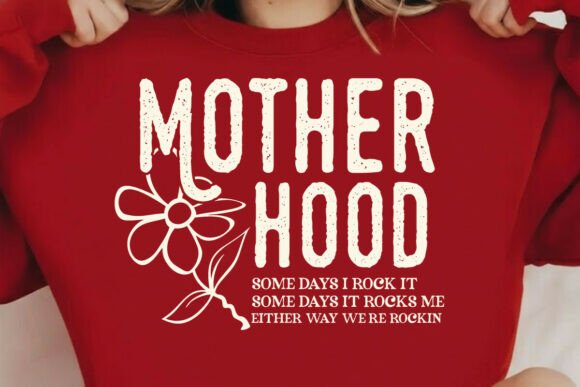
Mother Hood Png, Trendy Mama SVG PNG
As a designer who spends half my life staring at stitch density charts and the other half trying to convince clients that "embroidery isn't just printing with thread," I approach every new design file with a healthy dose of skepticism. We have all seen the endless stream of generic text-based designs that look fine on a screen but fall apart under the needle. That is why evaluating Mother Hood Png, Trendy Mama SVG PNG felt like a breath of fresh air. This isn't just another clip-art cutout; it has a distinct visual personality that translates surprisingly well into physical form.
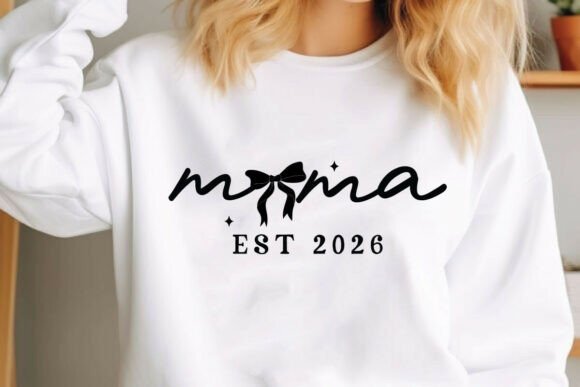
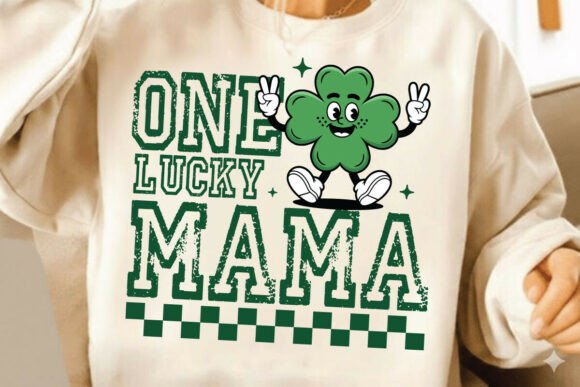
The first thing you notice when opening this machine embroidery design or viewing the vector assets is the mood. It screams modern maternity and trendy parenting without being overly saccharine. The layout is clean, allowing for excellent readability whether it is stitched onto a thick cotton canvas tote bag or embroidered delicately onto a baby onesie. For any Etsy seller or small shop product creator looking to tap into the booming market for personalized gifts, this design hits the sweet spot between stylish and sentimental.
Real-World Application: From Screen to Stitch
Let’s talk about how this actually performs in a real project scenario. Imagine you are preparing a custom order for a client who wants a matching set for a maternity photoshoot. They want a sweatshirt for the mom and a tiny hat for the bump. This is where Mother Hood Png, Trendy Mama SVG PNG shines. Because the source files include EPS and SVG formats, you can easily scale the design to fit different hoop sizes without losing resolution. However, as an experienced reviewer, I must point out that while the digital preview looks crisp, the physical result depends entirely on your execution.
I tested the concept mentally by imagining this on a heavyweight cotton hoodie. The bold lines of the design would hold up beautifully against the fabric texture. But if you were to move this to a delicate silk pillow cover, the same design might overwhelm the material. This is crucial for custom apparel decorators to understand. The design works best on medium-weight fabrics like jersey, fleece, or denim. It creates a strong focal point that draws the eye, making it perfect for embroidered patch applications or chest-area branding on boutique merchandise.
Furthermore, the versatility of this digital embroidery file extends beyond clothing. Picture a tote bag design made from sturdy canvas. The contrast between the thread and the natural fabric color will pop, creating a high-end look that justifies a premium price point. Or consider using it for holiday embroidery projects, such as customizing aprons for family gatherings. The "Trendy Mama" theme is universally appealing, ensuring broad customer trust and recognition.
Technical Considerations for Embroidery Designers
While the artistic merit is undeniable, we need to discuss the technical side. When converting a graphic like this into an embroidery file, stitch type matters immensely. If the design relies heavily on dense fill stitches, it may become stiff and uncomfortable, especially on garments worn close to the skin. I recommend reviewing the digitization to ensure there is a balance of satin stitch for outlines and lighter fill stitch or even running stitch accents to keep the piece breathable.
One area where caution is required is small detail work. If the original vector includes tiny text or intricate decorative accents, these can get lost in the stitching process. Always inspect small details before finalizing your order. A good rule of thumb is to test the design in black and white mockups first. This helps you gauge the contrast and spacing without the distraction of color. If the shapes merge together in grayscale, they will likely clump together in thread.
Additionally, consider the hoop size. Large, sprawling designs require larger hoops, which limits where you can place the artwork on a garment. On curved surfaces like caps or hats, tension issues can arise if the design is too wide. I advise checking whether the design works for both personal and commercial projects by testing it on scrap fabric first. Use a proper stabilizer that matches your fabric weight—cut-away for knits and tear-away for wovens—to prevent puckering.
Color Strategy and Thread Selection
The prompt mentions that you can easy colour change this design. This is a massive advantage for craft business owners who need to match specific brand palettes or customer preferences. However, changing colors digitally does not account for thread sheen or opacity. Dark threads on dark fabric will disappear, while light threads on dark fabric may require a backing layer to prevent show-through. Experiment with different thread colors to see what gives the best visual appeal. Metallic threads might add a luxurious touch for wedding gifts, while matte cottons might be better for everyday baby embroidery.
Who Should Buy This?
This design is ideal for creative entrepreneurs who value efficiency and aesthetic quality. It fits seamlessly into a workflow for apparel decorators looking to expand their catalog with trendy, evergreen themes. It is also perfect for printable mockup creators who want to showcase products before they are physically made. By offering this design asset, you signal professionalism and attention to detail to your buyers.
However, it may not be suitable for highly textured fabrics like chunky wool blankets or very thin, stretchy materials that distort easily. In these cases, the design might lose its shape during stitching. Always confirm licensing before selling finished items or digital products to avoid legal pitfalls.
Final Verdict
Mother Hood Png, Trendy Mama SVG PNG is a solid addition to any graphics library focused on family and lifestyle themes. It offers the flexibility needed for diverse embroidery projects, from simple home decor to complex commercial embroidery runs. Its clean lines and relatable theme make it a safe yet stylish choice for enhancing your handmade product offerings. Just remember: the best designs start with careful planning, proper testing, and an understanding of how thread interacts with fabric. Test thoroughly, choose your stabilizers wisely, and you will create a finished product that customers will love.