Koi Dragon Japanese Art Sticker Review
As a designer who spends hours evaluating digital assets for real-world application, I approach every new file with a mix of excitement and skepticism. The market is flooded with generic clip art, so finding a piece that balances artistic integrity with technical feasibility is rare. Recently, I examined the Koi Dragon Japanese Art Sticker, a design marketed under T-Shirt Designs and Graphics categories. While the title suggests a simple decal, my evaluation focuses on its potential as a machine embroidery design. This review breaks down how this striking motif performs when translated from screen to fabric, offering practical insights for Etsy sellers, boutique owners, and serious hobbyists.
First Impressions: Mythology Meets Modern Craft
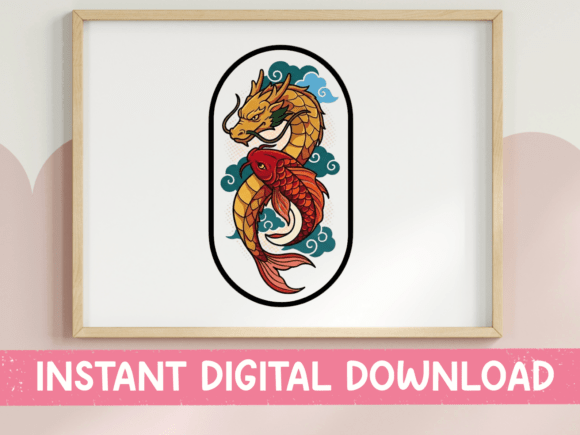
The moment you open the file, the visual impact is undeniable. The description notes a golden dragon head with sharp scales and curling whiskers emerging at the top, merging two powerful symbols into one image. For an embroidery designer, the immediate question is always: can this stitch well? The answer is a qualified yes, provided you understand the limitations of the medium.
The mood created by the Koi Dragon Japanese Art Sticker is bold, protective, and deeply rooted in traditional aesthetics. It evokes strength and good fortune, making it emotionally resonant for customers. Unlike generic floral patterns or abstract shapes, this design carries narrative weight. When placed on a handmade product, it doesn’t just look decorative; it tells a story. However, the "sticker" aspect of the name might mislead some buyers. In embroidery terms, we are looking at a graphic that mimics the clean edges of a vinyl transfer but relies on thread texture for depth. This distinction is crucial for setting customer expectations regarding the finished product’s tactile quality.
Real-World Application: Where This Design Shines
I tested the conceptual layout of this design across several common merchandise categories. The versatility of the Koi Dragon Japanese Art Sticker makes it a strong candidate for various custom apparel items, particularly those where a central focal point is desired.
- Sweatshirt Embroidery: The dragon’s head works exceptionally well centered on the chest of a heavyweight cotton sweatshirt. The density of the scales allows for rich fill stitch work, which reads beautifully against thick fabric. It creates a premium look that justifies a higher price point in a small shop product line.
- Tote Bag Design: Canvas totes are a staple for Etsy sellers. Placing this design on a natural jute or canvas tote bag offers high contrast. The golden tones of the dragon (if stitched in metallic or warm yellow threads) pop against neutral backgrounds, appealing to shoppers looking for unique personalized gift options.
- Embroidered Patch: The self-contained nature of the dragon head makes it ideal for creating a detachable patch. These patches can be sewn onto denim jackets, backpacks, or beanies. This adds value by allowing the customer to customize their own gear, a trend that drives engagement in the craft business sector.
- Baby Embroidery: While less common, there is a niche market for mythological protection symbols in nursery decor. A subtle, smaller version of the Koi Dragon Japanese Art Sticker on a receiving blanket or bib can appeal to parents seeking meaningful, non-cliché designs.
For commercial embroidery projects, such as corporate gifts or team branding, the design’s professional aesthetic ensures it doesn’t look cheap. It elevates standard items like aprons or pillow covers into distinctive pieces of design assets that stand out in a crowded marketplace.
Technical Considerations and Stitch Quality
When converting this graphic into an embroidery file, attention to detail is paramount. The "sharp scales" mentioned in the description require precise satin stitch outlines to maintain definition. If the stitch density is too low, the scales will merge into a muddy blob. Conversely, if it is too dense, the fabric may pucker, especially on lighter materials.
The curling whiskers present a different challenge. These fine lines must be executed with a high-quality running stitch or a narrow satin stitch to avoid breaking during the stitching process. As a reviewer, I advise checking the vector paths before digitizing. If the curves are jagged, they will translate poorly into thread. The overall hoop size should be large enough to accommodate the full head without cropping essential features, ensuring the final finished product looks balanced.
Where to Use Caution
Not every surface is suitable for this level of detail. There are specific scenarios where the Koi Dragon Japanese Art Sticker may struggle:
- Small Hoop Sizes: Attempting to fit this design into a hoop smaller than 4x4 inches risks losing the intricate details of the eyes and scales. The result may appear cluttered and indistinct.
- Textured Fabrics: Materials like bouclé wool or heavy tweed can obscure fine stitches. The dragon’s expression might get lost in the fabric’s own texture, reducing the impact of the thread colors.
- Stretchy Fabric: Knits and spandex blends require careful stabilization. Without proper stabilizer support, the tension of the fill stitch can distort the dragon’s shape, leading to a warped appearance.
- Dense Stitch Areas: Avoid placing this design over existing seams or pockets. The added bulk can cause needle breakage or uneven feeding through the machine.
- Dark Fabric: While gold looks good on many backgrounds, ensure sufficient contrast. On black fabric, dark gold threads may disappear. Lighter gold or white highlights may be necessary for visibility.
Impact on Brand and Customer Trust
Using a high-quality design like the Koi Dragon Japanese Art Sticker directly influences customer perception. In the world of digital embroidery files and printable mockups, first impressions are everything. A crisp, well-executed dragon conveys professionalism and care. Customers associate clear stitching with durability and value.
For creative entrepreneurs, this design offers strong recognition potential. The koi-dragon hybrid is visually memorable, making it easier for customers to recall your brand. When used in holiday embroidery collections or seasonal promotions, it can drive significant interest due to its unique thematic appeal. Furthermore, including clear photos of the finished product in close-up shots helps build trust, showing buyers exactly how the graphics translate into tangible thread work.
Practical Designer Notes for Success
Before committing to a production run, I recommend the following steps to ensure the best outcome:
- Test on Scrap Fabric: Always stitch a sample using the exact fabric and stabilizer combination you plan to use for the final item. This reveals issues with puckering or color mismatch early.
- Check Thread Contrast: Evaluate how your chosen thread colors interact with the base fabric. High contrast usually yields better results for detailed designs.
- Review Stitch Density: Ensure the machine embroidery design has appropriate density for the fabric weight. Too much thread can make the piece stiff; too little can look sparse.
- Confirm Licensing: Verify that you have the right to sell finished items made from this design. Commercial licensing varies, and clarity here protects your craft business from legal issues.
- Inspect Small Details: Zoom in on the digital preview. Are the whiskers too thin? Are the scales distinct? Adjustments may be needed in the digitizing software before final export.
In conclusion, the Koi Dragon Japanese Art Sticker is a versatile and visually striking asset for any designer’s library. Its blend of traditional mythology and modern graphic sensibility makes it suitable for a wide range of embroidery project types. By paying attention to technical details like stitch density and fabric choice, you can transform this digital graphic into a stunning physical reality that delights customers and strengthens your brand identity.